
How do countries know whether the financing needed to implement their climate commitments is realistic? How can they track the money actually available and spent, and use that information to improve future investment plans?
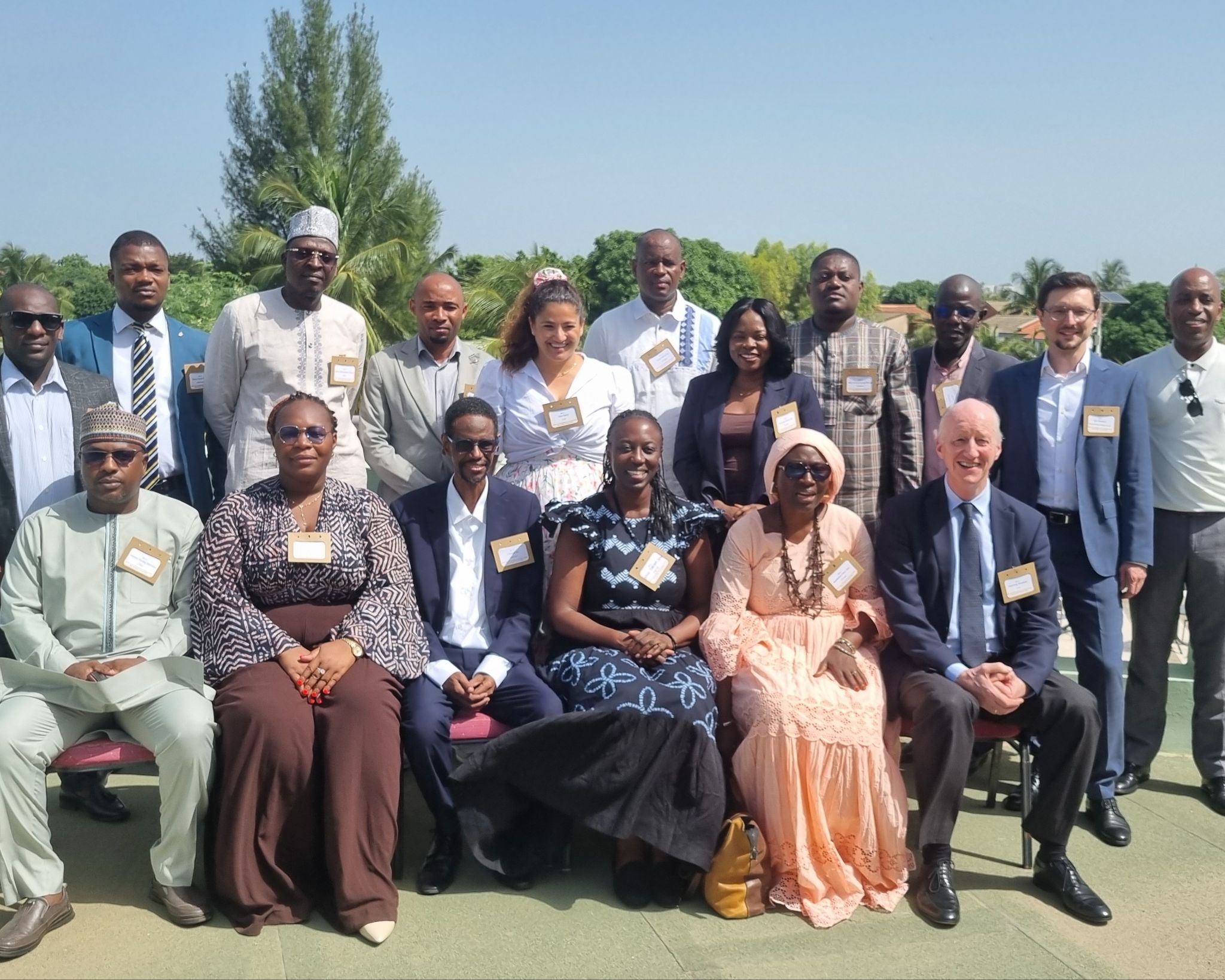
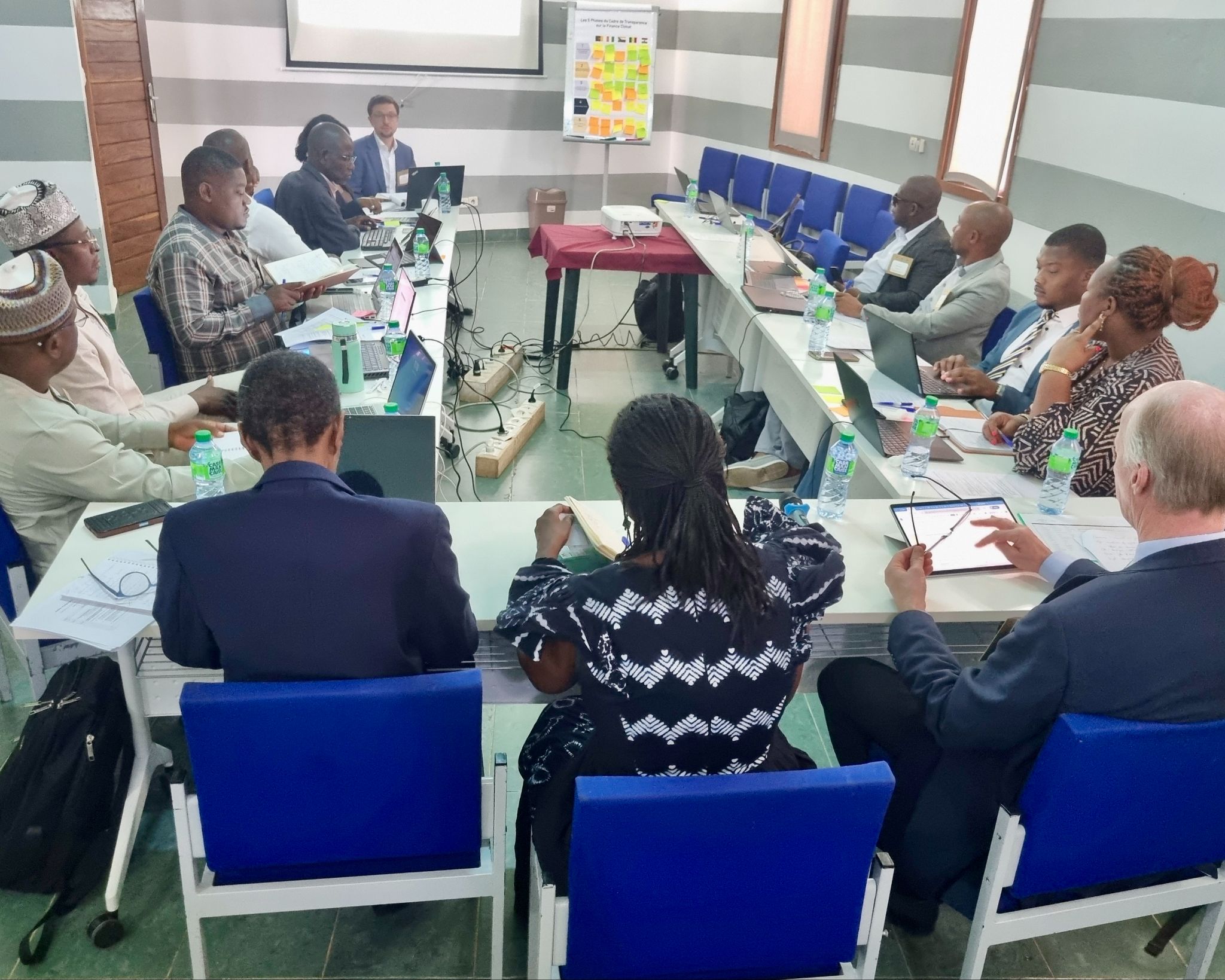
These questions were at the centre of a two-day workshop organized by the Initiative for Climate Action Transparency (ICAT) in Saly, Senegal, on 14–15 October. Experts from environment, finance and planning ministries in Francophone African countries, including Cameroon, Côte d’Ivoire, Comoros, Niger and Senegal, examined how to define, estimate and track climate finance, and how to use data to improve strategic investment planning.
Bringing together representatives from environment, finance and planning ministries in the same setting was particularly valuable, as an effective climate finance agenda depends on aligning climate priorities with budgetary processes and investment planning.
Recognizing the significant progress made by several countries in the region, the workshop focused on what countries have achieved so far and how they could build on that experience to advance further. Country representatives shared practical insights on applying the ICAT Climate Finance Transparency Guide, discussed implementation challenges, compared approaches and identified solutions adaptable across different national contexts.
“We are here to learn from one another’s experiences. Each country represented here illustrates a key stage in this broader process of institutionalization. Our countries are progressing towards greater financial maturity. The aim is to examine how tools work in practice.” – Fatou Sagna Sow, Technical Adviser to the Minister of Environment and Ecological Transition, Senegal.
Ultimately, by strengthening national climate finance transparency frameworks, countries aim to generate information that supports public decision-making, enables engagement of public and private stakeholders in climate action and provides a sound basis for national and international reporting.
Defining climate finance and understanding how to measure it
A common challenge across countries is establishing what counts as climate finance and how it should be classified. These decisions determine which financial flows countries count, track, compare and report.
Discussions drew on Côte d’Ivoire’s experience with its transition taxonomy and explored criteria countries use to distinguish between adaptation and mitigation finance, domestic and international sources, and different financing instruments.
Participants also examined how countries estimate the cost of implementing their climate measures. Niger shared its experience, including the approaches followed to costing climate measures, the data and assumptions used. These estimates are essential for developing credible financing and investment plans, but their value depends on the quality of the underlying data and methods. Financing estimates must also be updated as policies, costs, projects and financing conditions evolve. Linking these estimates to investment plans can then help strengthen the credibility of national strategies.
“Climate finance transparency makes it possible to move from a broad overview of financing needs to a more precise understanding of the resources required, the actual financial flows and the results sought.” – Dr Henning Wuester, ICAT Director.
Planning and building sustainable systems
Discussions throughout the workshop highlighted that climate finance transparency is not simply a matter of collecting data or developing an information platform. A functioning system depends on several interconnected elements, including clear institutional mandates, common definitions and classifications, coordinated procedures for collecting and validating data, adequate technical capacity, and the ability to continuously update and improve estimates as circumstances evolve.
Cameroon and Comoros, two countries that are at the initial stages of preparing and planning for climate finance transparency systems, added their experiences to discussions on the institutional arrangements needed upstream to sustain national transparency frameworks. Stakeholder mapping was highlighted in the workshop as an essential element of the planning process, necessary to identify who needs to be involved, clarify roles and responsibilities, and ensure all relevant actors can contribute to the process.
On the second day, participants turned to the practicalities of tracking climate finance. Senegal shared its experience with its national platform and all the elements needed for its effective use, including data collection processes, technical considerations and capacity-building.
An important message was that governments need to understand the comprehensive landscape of financial flows to effectively plan climate investments. Tracking climate finance should encompass all types of finance, public and private, domestic and international. Tracking only the support a country receives is not enough to build a comprehensive strategy for mobilizing climate finance.
From information to transformation
The workshop also explored how transparency can support climate finance mobilization. Better information enables countries to better match a financial need to the right financing source and the appropriate financial instrument, providing a stronger basis for investment decisions and resource mobilization.
Looking beyond financial figures, participants discussed how transparency can help connect finance to results, strengthening investment cases. Information on the impact of climate measures on emissions reductions, resilience and wider sustainable development objectives can help governments promote the value of proposed investments and support decision-making.
This is important not only for engaging with donors and investors, but also for strengthening mutual understanding between ministries of environment and finance, enabling them to present a coherent approach to other decision-makers. Sectoral ministries should be involved from the very outset, so that they can identify and climate-label their projects and ensure that their sector effectively contributes to and benefits from climate action.
“Climate finance transparency cannot remain the exclusive preserve of environment ministries. The involvement of finance ministries has become essential, as they hold the key to budgetary decisions and resource allocation.” – Fatou Sagna Sow, Technical Adviser to the Minister of Environment and Ecological Transition, Senegal.
Strengthening climate finance transparency frameworks is therefore essential to financing and implementing the policies and measures needed to transform economies and advance low-carbon development. Countries, however, do not need to follow an identical approach or progress at the same pace, as national priorities, institutional structures and capacities differ.
Setting out priorities for the future
The workshop closed on 15 October with a review of key lessons and possible next steps, including opportunities for further exchange between countries to leverage national knowledge and drive collective progress. Before closing, participants formulated technical conclusions and recommendations on key priorities for strengthening national climate finance transparency systems.
These recommendations called for clearer responsibilities and stronger coordination between ministries, alongside the involvement of sectoral ministries and other stakeholders. They also highlighted the need for country-led participatory processes to operationalize national climate finance definitions, robust methods to assess financing needs and track flows and a comprehensive view of public and private, domestic and international finance. They also stressed that transparency systems should assess the economic, social and financial impacts of climate measures and be regularly reviewed to identify data gaps, methodological improvements and capacity needs.
These recommendations highlight the importance of treating climate finance transparency as an ongoing process that informs national planning and budgeting and supports more effective resource allocation and mobilization.