During a series of two national workshops held on 20 and 21 January 2026 in Kadoma, Zimbabwe, national stakeholders validated the results of the ICAT project related to the development of a digital climate adaptation monitoring tool. The participants formally endorsed its use and agreed on the next steps for its implementation, integration and alignment with the Biennial Transparency Report (BTR), National Communication and Nationally Determined Contribution (NDC) processes.
Adaptation is a national priority in Zimbabwe, where climate hazards, vulnerabilities and impacts have been identified across multiple sectors, including agriculture, water, forestry and biodiversity, health, human settlements, infrastructure and tourism. Since 2024, an ICAT project in Zimbabwe, led by the Ministry of Environment, Climate and Wildlife, and supported by experts from the UNEP Copenhagen Climate Centre, has been implemented to strengthen institutional arrangements and develop digital tools to support adaptation monitoring, evaluation, and reporting.

Photo courtesy of the Ministry of Environment, Climate and Wildlife
The goal of the ICAT project was to develop the institutional arrangements and tools needed to support the implementation of Zimbabwe’s National Adaptation Plan Monitoring and Evaluation framework (NAP-MEF). Zimbabwe’s NAP-MEF serves as the cornerstone of the country’s adaptation actions and transparency arrangements, providing reliable adaptation data and information that can help the country address vulnerability gaps and track progress toward national adaptation goals. It is designed to be integrated into the local governance structures and sectoral monitoring and evaluation systems. The ICAT project rolled out its implementation in two urban and two rural districts.
“Zimbabwe is implementing many climate projects, programs, and actions, but we may not know the impact of these projects on people and communities. This ICAT project is assisting us in understanding the impact of our actions and the contribution to the National Development Strategy and the national vision of the country. Once we have sufficient and credible information, we can also identify our gaps with respect to the impacts and barriers of climate change, so the formulation of projects becomes more effective,” emphasized Washington Zhakata, Chief Director, Ministry of Environment, Climate and Wildlife, while also explaining that the outcomes of the project can support efforts to mobilize climate finance for projects and initiatives that address local adaptation needs and gaps.
A digital solution for adaptation monitoring
As part of the work under the ICAT project, a digital data collection and reporting tool was developed, accompanied by user manuals. The tool facilitates the systematic collection of data, enabling comprehensive monitoring and evaluation of adaptation efforts across all sectors included in the NAP. It allows different levels of access depending on the user’s role in data entry, review, analysis, and reporting. It includes a data collection tool builder (deployable on Android devices), data storage functionalities, data reporting features, and the ability to export datasets into Excel and CSV formats for in-depth analysis. The tool has been used to collect data from 2020 to 2025, which were subsequently analyzed to produce graphs and narrative reports aligned with national adaptation indicators.
The first workshop established a shared understanding among key stakeholders and validated the project’s final outputs, paving the way for practical implementation and systematic use of the tool. Representatives from government ministries, agencies, and district and local authorities discussed the tool’s functionalities and its integration into national systems and processes. National experts presented the digital tool and other products developed for adaptation tracking and reporting, drawing on data collected from the districts. Workshop participants provided feedback to ensure usability at the district level and discussed lessons learnt, opportunities and challenges related to sustainable data management.
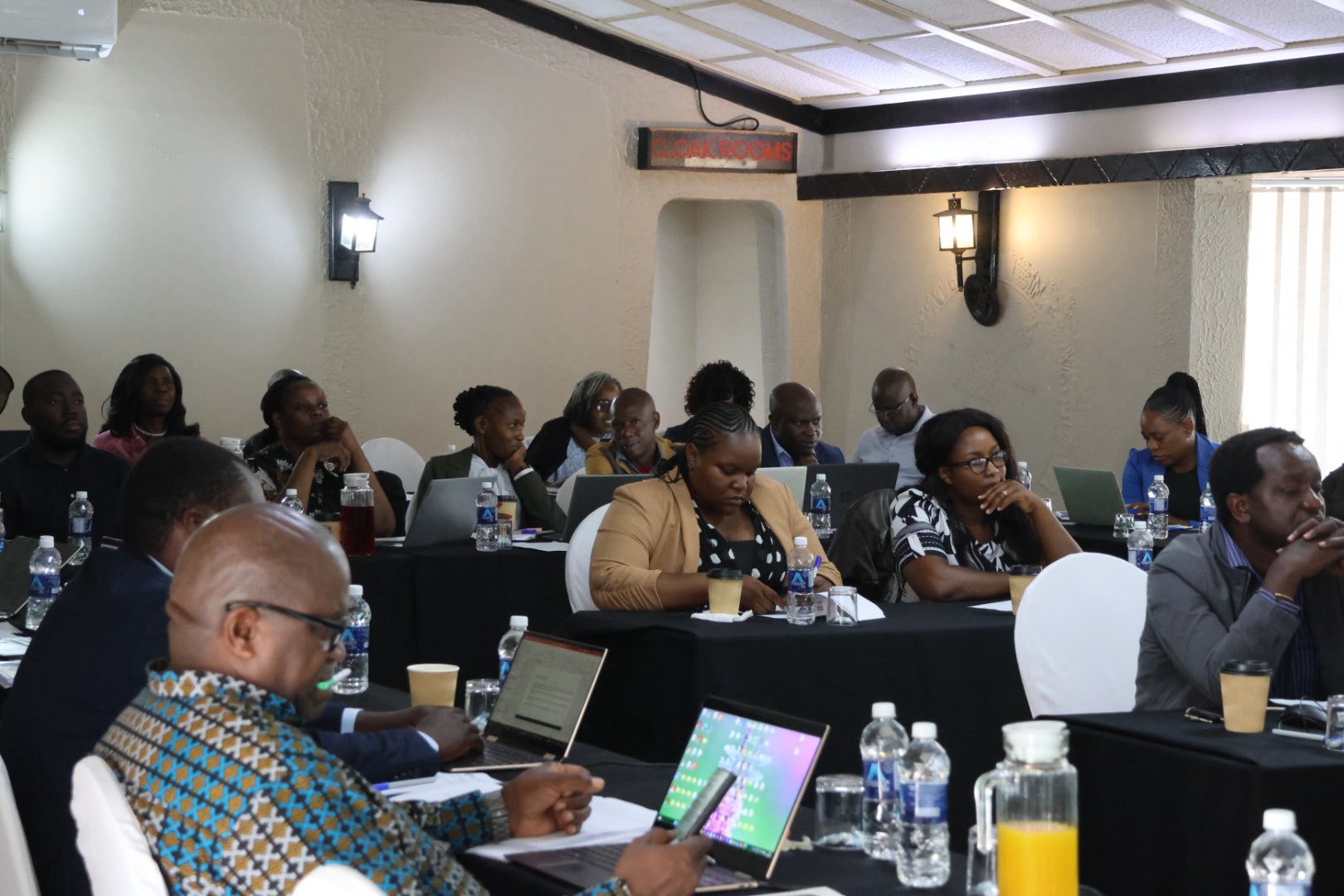
Photo courtesy of the Ministry of Environment, Climate and Wildlife
A pathway to enhanced and inclusive adaptation tracking and reporting
The second workshop zoomed in on integrating the digital tool into the national adaptation tracking and reporting processes, including the national online transparency portal. It brought together a focused group of officials and technical experts directly involved in transparency arrangements, as well as NAP and NDC design and tracking.
The discussions fostered a coordinated approach to integrating ICAT project results into international reporting processes. This exchange was particularly timely, as Zimbabwe is expected to submit its second BTR and fifth National Communication in 2026. Participants looked into the Paris Agreement’s requirements for tracking and reporting adaptation actions to identify which aspects of the BTRs and National Communications were supported by the digital tool and explore opportunities to strengthen national reporting processes.
The workshop also provided a space to examine ways to enhance gender responsiveness and inclusivity in adaptation reporting, including through targeted training for data providers and the use of gender equality and social inclusion-sensitive indicators for systematically tracking gender-differentiated vulnerabilities and resilience outcomes.
Through the advances achieved under this project, Zimbabwe is better equipped with tools and systems to collect, manage and analyze adaptation data. At the national level, the country can effectively monitor progress and identify gaps to inform decision-making, while subnational actors are better positioned to manage resource allocation for their adaptation priorities. At the international level, the country is empowered to submit quality reports, meeting Paris Agreement obligations while setting the foundations for climate finance mobilization and enhanced international cooperation.
“Without reporting transparency amongst parties to the Paris Agreement on climate change, it would be difficult for the world to measure whether there is progress in the implementation of various provisions of the agreement, including adaptation and resilience building,” highlighted Permanent Secretary, Ambassador Tadeous T Chifamba.
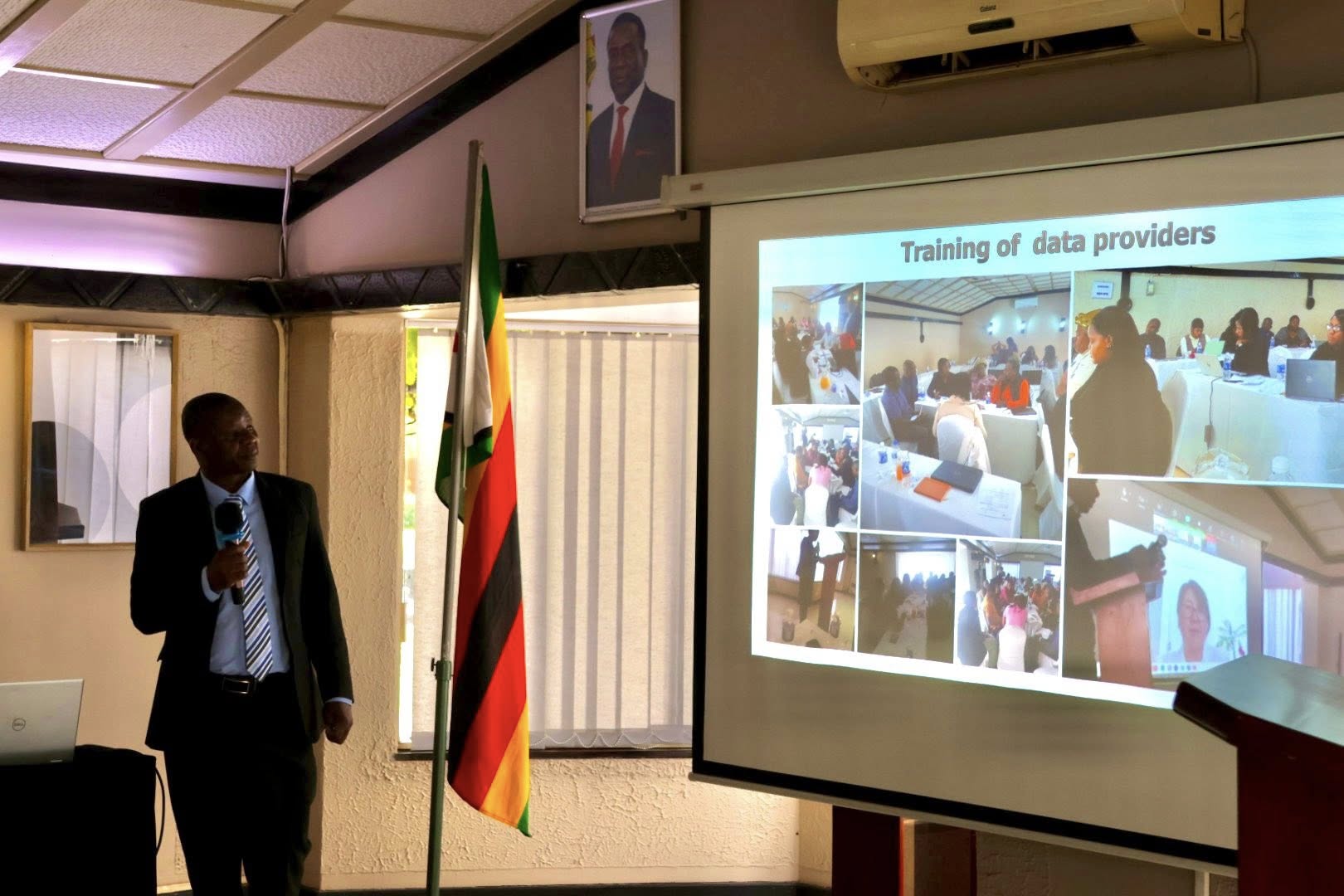
Photo courtesy of the Ministry of Environment, Climate and Wildlife
23 JANUARY 2026