



A new project to support Guatemala in measuring and tracking climate action was launched on 24 June 2026 in Guatemala City. The launch event brought together representatives from ministries, institutions and relevant organizations to discuss the project’s goals and planned activities.
The Initiative for Climate Action Transparency (ICAT) project is led by Guatemala’s Ministry of Environment and Natural Resources (MARN), with technical support from the Greenhouse Gas Management Institute (GHGMI). Its objective is to strengthen Guatemala’s Measurement, Reporting and Verification (MRV) framework and evaluate key mitigation policies, contributing to the country’s process of updating its Nationally Determined Contributions (NDC).
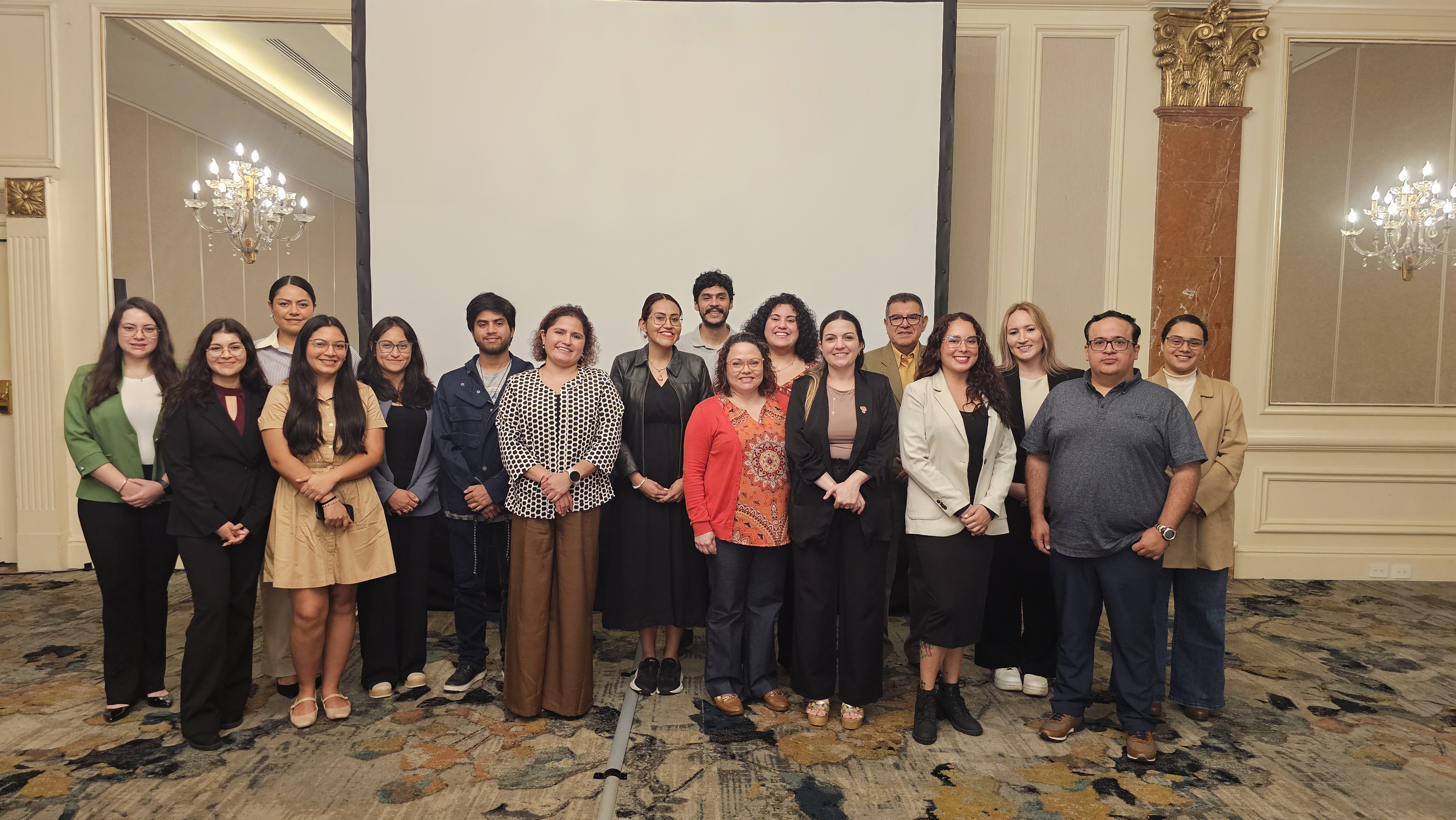
Strengthening Guatemala’s transparency framework
The project has three components. The first will focus on strengthening Guatemala’s MRV framework. This will include reviewing the existing system, improving institutional coordination, exchanging experiences with other countries, and developing a proposal for a legally binding framework to make the MRV system mandatory. The latter is especially important, as Guatemala’s current system runs on a voluntary, non-binding basis.
“Transparency is one of the areas where our science and metrics team has worked very intensively. Having ICAT as a strategic ally has provided us with great support. Today’s launch workshop marks an important step toward the financing needed for mitigation and adaptation action. [...] I’m convinced this project, overall, will make a very important difference in how the country conducts its reporting and how we can improve.” – Andrea Fión, Director of Climate Change, Ministry of Environment and Natural Resources of Guatemala
The second component of the project will assess mitigation policies in two sectors: Energy, and Agriculture, Forestry and Other Land Use (AFOLU). In addition to evaluating the policies’ impacts on greenhouse gas emissions, the assessment will examine their benefits for adaptation and sustainable development. In the energy sector, the focus will be on energy efficiency, renewable energy, and low-carbon transport. In the AFOLU sector, the assessment will cover sustainable cattle ranching in the Petén region, reducing emissions from deforestation and forest degradation, and sustainable forest management.
The third component of the project will support the development of the NDC 3.0 sections related to transparency and defining Guatemala’s NDC ambition. This work will align with MARN’s process of updating the National Climate Change Action Plan. Together, these efforts will help develop indicators that facilitate climate action tracking and verification and directly inform Guatemala’s NDC 3.0.
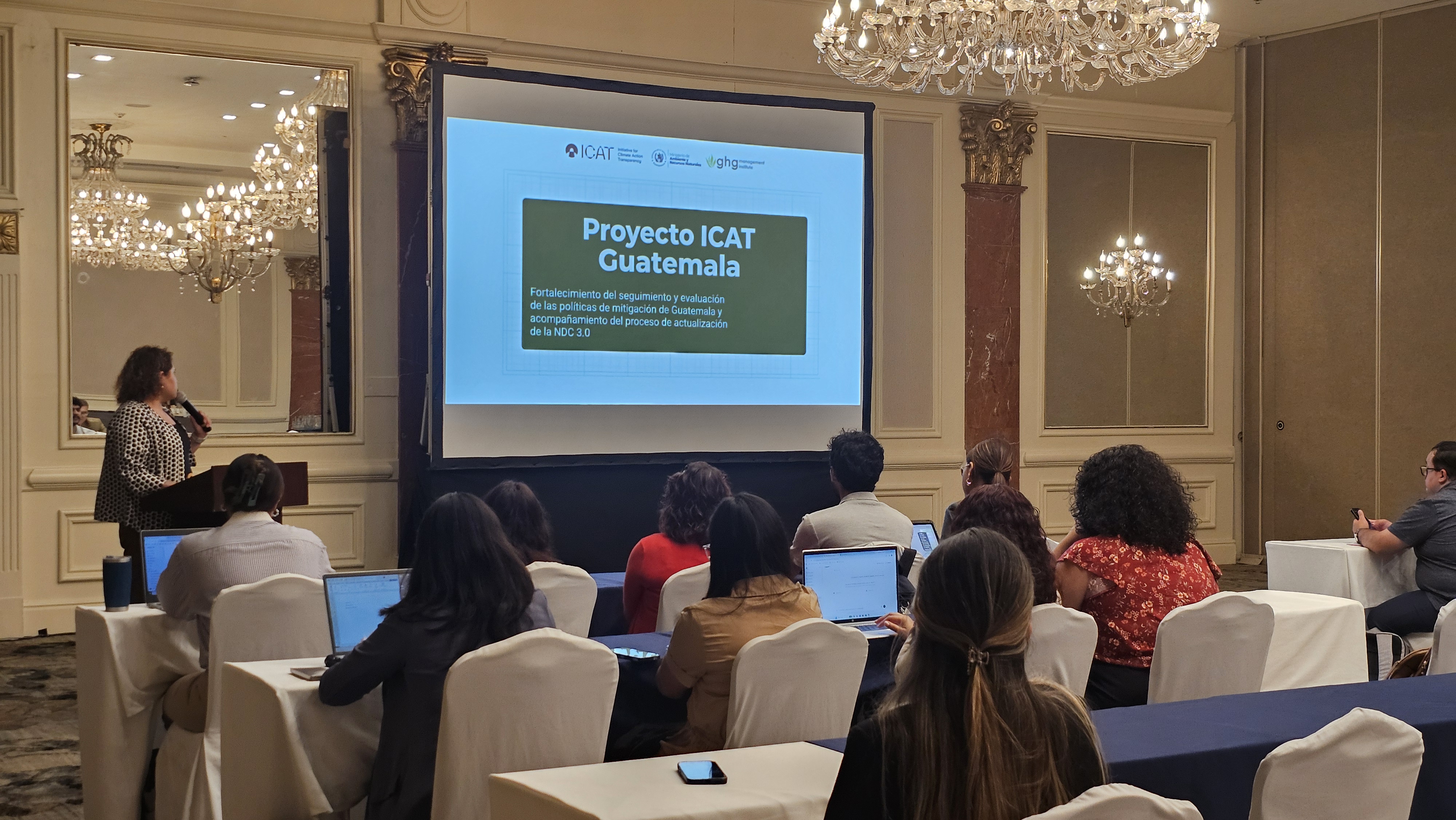
Highlighting the value of transparency for national stakeholders
At the workshop, participants shared feedback based on their institutional experience and recommended prioritizing certain laws and policies for impact assessment. Stakeholders recognized the value of policy impact assessments to guide decision-making.
“Ultimately, the results will belong not only to the Ministry of Environment or the science department, but to the country as a whole.” – Andrea Fión, Director of Climate Change, Ministry of Environment and Natural Resources of Guatemala
At the end of the workshop, participating institutions agreed to hold follow-up meetings with MARN to learn more about each institution’s data management and information systems. This activity will lay the groundwork for building a stronger measurement and tracking framework for Guatemala’s climate action.


