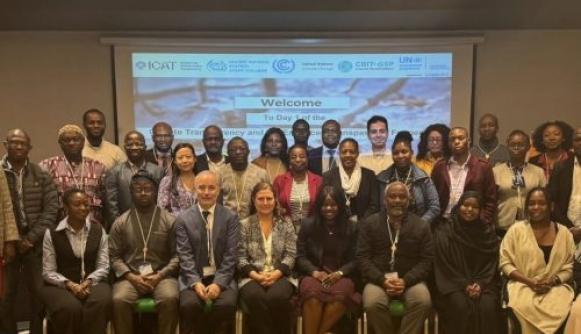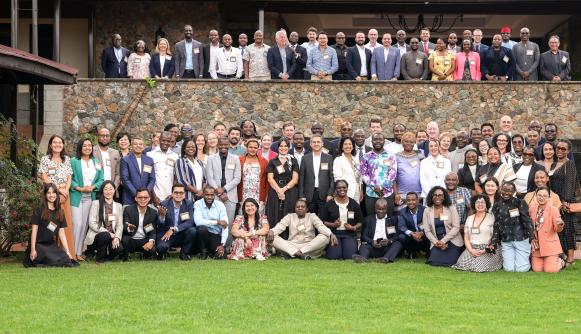
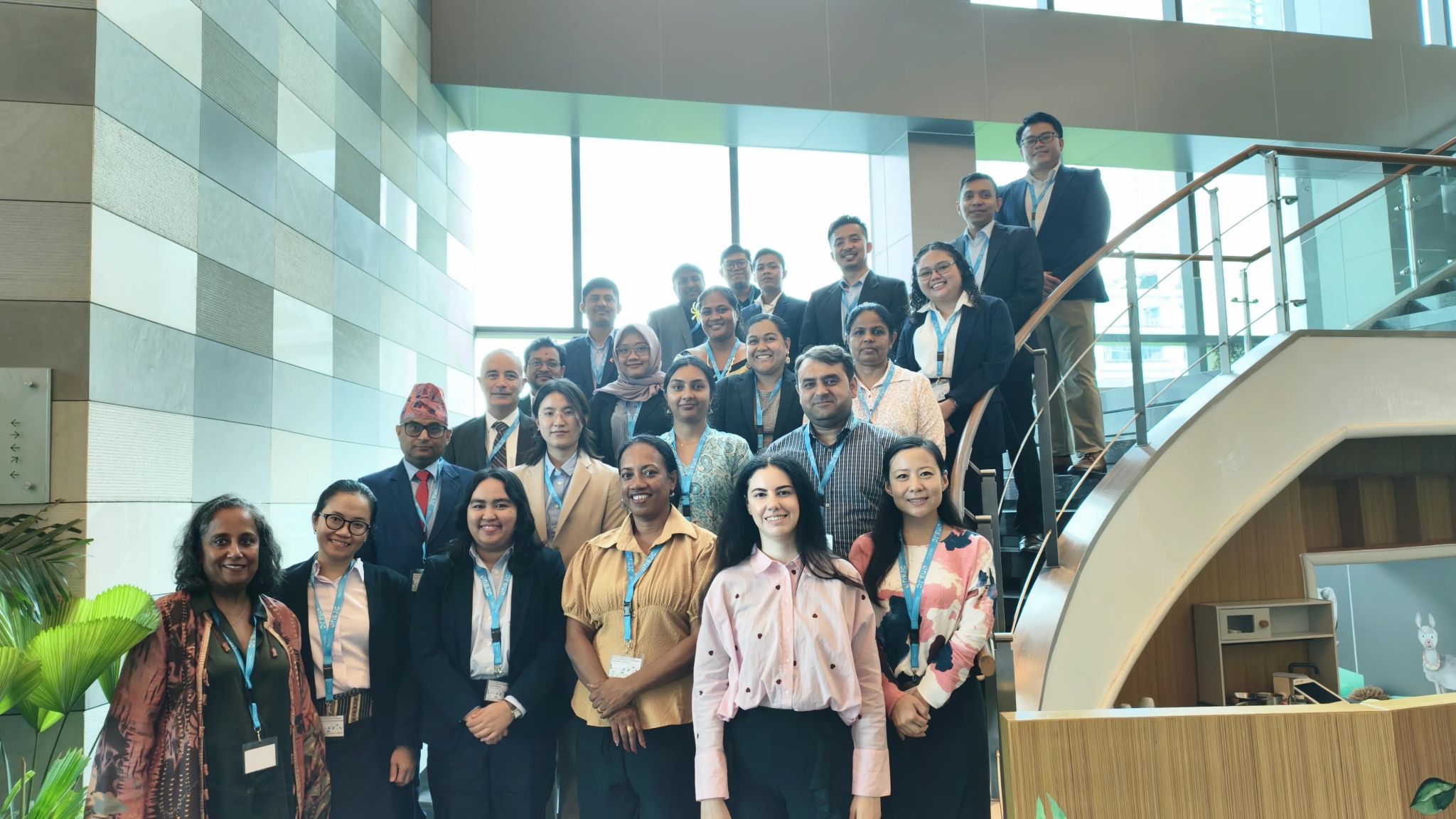
Across the Asia-Pacific region, countries are strengthening their expertise in climate action transparency. 19 government officials from 14 countries completed a specialized training workshop on climate transparency and the Paris Agreement’s Enhanced Transparency Framework (ETF).
The workshop, held in Bangkok on 1–4 September 2026, was organized as part of the latest round of the Blended Training Course on Climate Transparency and the ETF and brought together government officials who previously completed the course’s online component.
By enhancing capacity and understanding of climate transparency, the training aims to empower participants and the countries they represent to implement the Paris Agreement and advance national climate action and development priorities.
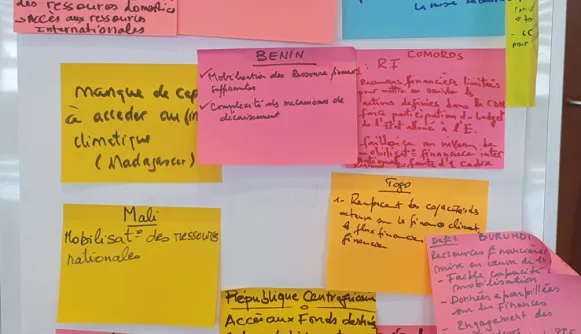
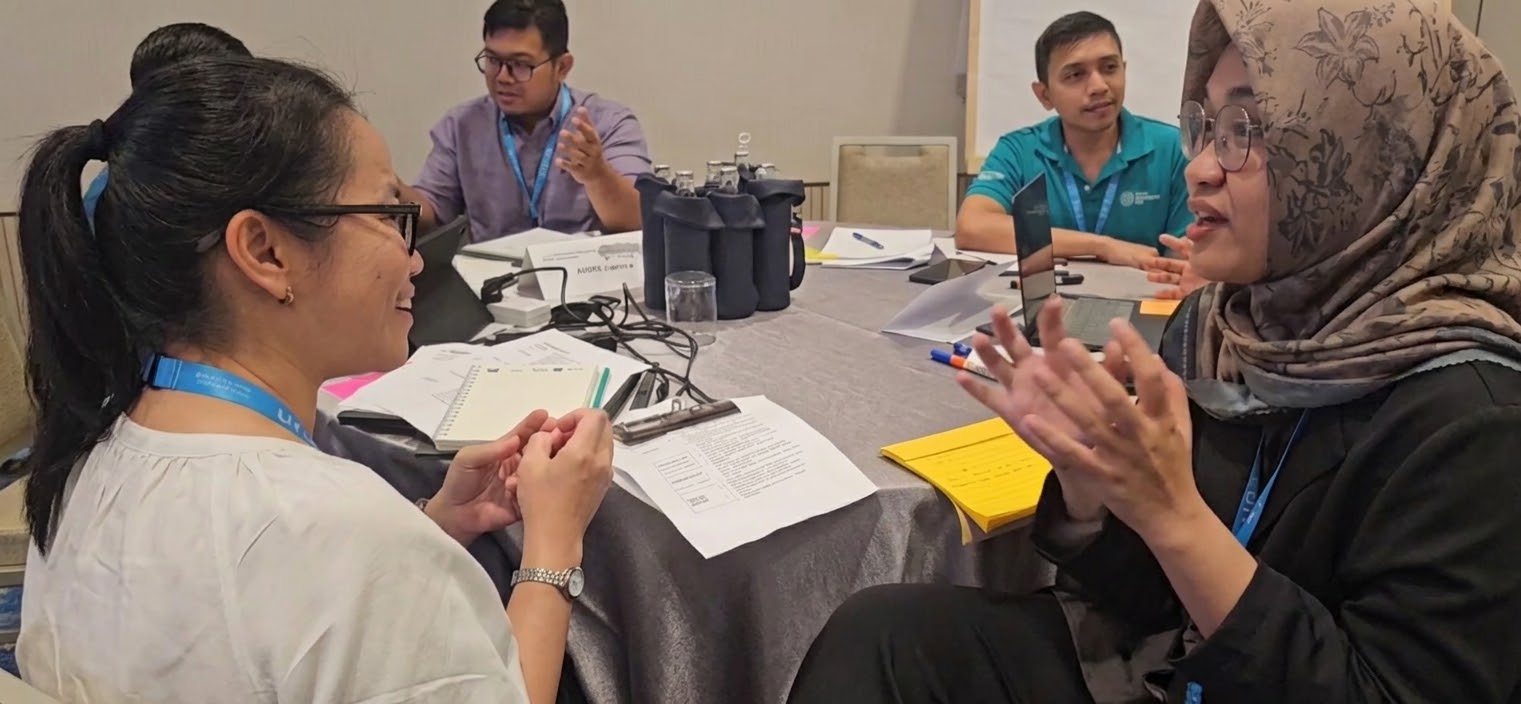
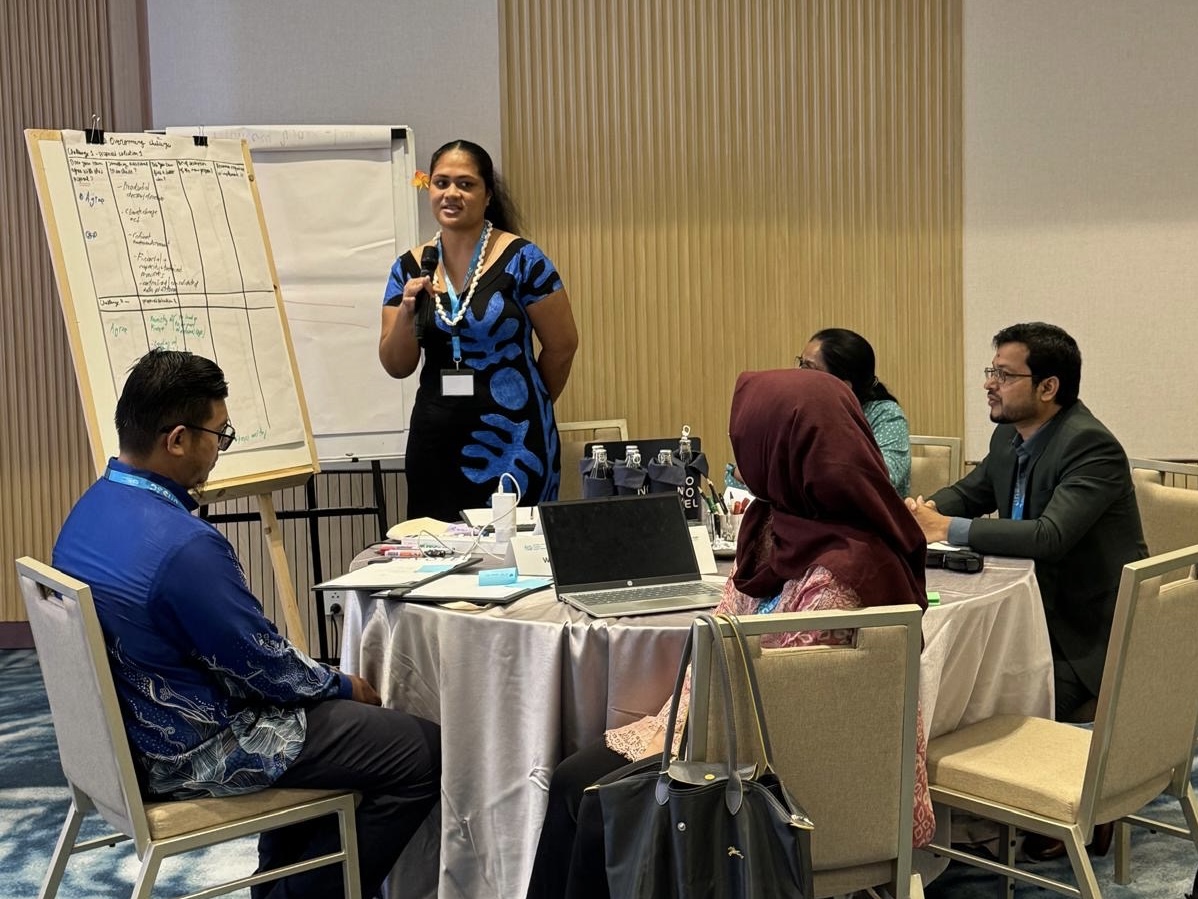
Through the workshop’s interactive sessions, group exercises and discussions, participants strengthened their knowledge and exchanged experiences, challenges and lessons learned with peers and experts.
"I really enjoyed the workshop because it provided an opportunity for the countries to come together and share their experiences and the challenges they are facing. It was interesting to hear about what other countries are doing and to see that, although we may be at different stages, there are many opportunities for us to learn from each other.” – Jenny Chand, Climate Finance Officer, Ministry of Environment and Climate Change, Fiji
Addressing timely and emerging needs
Responding to current needs and gaps in the region, the workshop's thematic scope covered different aspects of national transparency frameworks, emphasizing topics such as institutional arrangements, policy assessment and climate finance transparency.
The policy assessment sessions, which included causal chain analysis and stakeholder engagement, were found to be particularly useful for countries looking to improve their assessment of policies and measures for domestic policy-making and to address comments raised during technical reviews of biennial transparency reports.
The policy assessment sessions followed the methodologies included in ICAT’s Series of Policy Assessment Guides and included practical illustrations through real-world applications in the region. Participants highly valued the example shared by Universitas Indonesia: an impact assessment of the country’s green buildings policy, which showcased a successful regional case study conducted by national experts.
Climate finance transparency and information flows were another priority topic addressed through the workshops' sessions. Participants also highlighted the relevance of the sessions and exercises on transformational change assessment, particularly for strengthening nationally determined contributions and engaging under Article 6.
“I’ve learned much more about practical tools for climate transparency, better communication and reporting processes, and how to understand policy impact assessment.” – Sher Shah Hassan, Deputy Director, Ministry of Energy, Pakistan
Enhancing coordination and expertise at the national level
Beyond strengthening knowledge, the workshop aimed to equip participants with the practical skills and confidence to share knowledge within their respective institutions, helping to strengthen long-term capacity and sustain in-country expertise.
Identifying and expanding national expertise to reduce reliance on external international consultants was recognized as an essential part of countries’ capacity-building journey in climate transparency under the Paris Agreement.
In addition, coordination among different ministries was highlighted as a common ongoing challenge, and the workshop provided an opportunity to discuss practical solutions. Feedback from participants, which was overwhelmingly positive overall, identified the sessions on stakeholder mapping and engagement, developing effective national transparency frameworks, and policy assessment as the most valuable.
Looking ahead, as countries across the Asia-Pacific region seek to deepen and expand their expertise, several areas emerged as pressing needs for further support. These included topics covered by the workshop, such as policy assessment and climate finance transparency, as well as data and information systems, Article 6 engagement and adaptation indicators.
“This knowledge, which I gained from the workshop, I can share with my colleagues, and I can apply it in the preparation of BTRs and NDCs.” – Md Mirza Asadul Kibriya, Assistant Director, Climate Change, Department of Environment, Bangladesh
14 SEPTEMBER 2026
The Blended Training Course on Climate Transparency and the Enhanced Transparency Framework is offered as a collaboration between the Initiative for Climate Action Transparency (ICAT), the United Nations Framework Convention on Climate Change (UNFCCC) secretariat, the CBIT-Global Support Programme (CBIT-GSP), and the United Nations System Staff College (UNSSC).
ICAT Training