Embracing the Challenge and Collaborative Spirit
The Enhanced Transparency Framework (ETF) under Article 13 of the Paris Agreement isn't merely a bureaucratic or technical touchstone; it signifies the collective will of nations to foster trust, accountability, and a tangible assessment of climate action. In fact, transparency can act as a key driver of climate action to enable implementation of the Paris Agreement. As we stand on the cusp of transitioning from Measurement, Reporting, and Verification (MRV) to the ETF, Africa's role becomes paramount. This juncture presents a unique blend of challenges and opportunities, especially for the continent's developing nations.
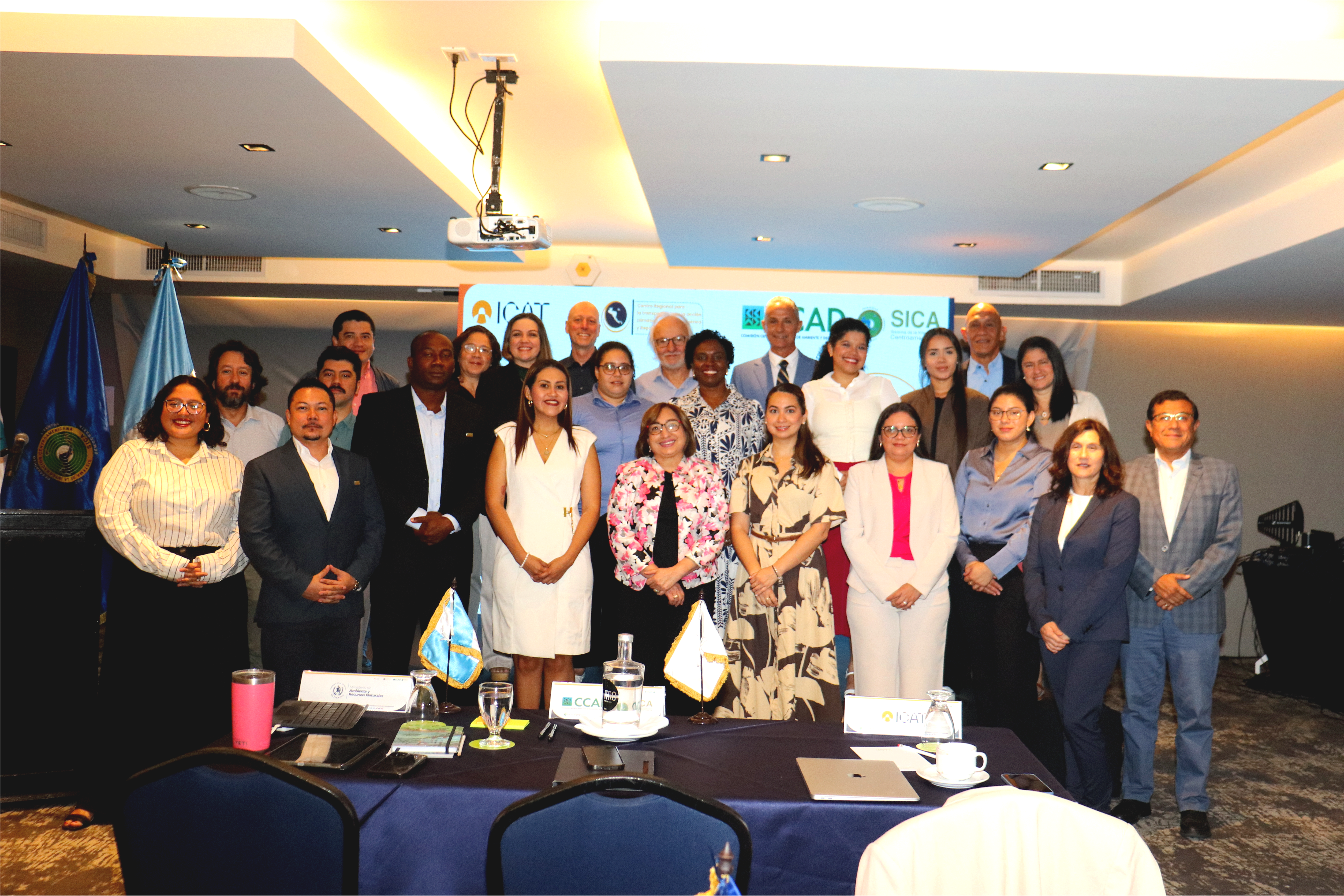
Yet, this dialogue is more than just a seminar on transitioning. It's a celebration of collaboration. Stakeholders from diverse backgrounds — public and private sectors, local governments, the media, and youth, to name a few — will unite. Such interactions promise the genesis of groundbreaking ideas and actionable solutions for a sustainable future. Moreover, with the event orchestrated by global entities like the UNFCCC secretariat and its Regional Collaboration Centre for West and Central Africa (RCC WAC Africa), ICAT, UNDP, and African Development Bank (AfDB), attendees can anticipate a thought-provoking, content-rich experience.
Shaping the Path Forward
Beyond structured discussions and networking opportunities, the Africa ETF Dialogue serves as a compass, guiding nations on their journey towards more transparent and effective climate action. The insights gained and relationships forged during this dialogue will significantly influence national planning processes, ETF transition strategies, and broader sustainability initiatives for years to come.
Transparency is essential to make climate action measurable and effective. In a critical moment in time, with the first global stocktake taking place at COP28 and first biennial transparency reports due at the latest by the end of next year, transparency efforts must be intensified. African countries coming together in this Africa Dialogue on the ETF marks the strong will to work together and push forward to achieve international obligations and national targets alike.
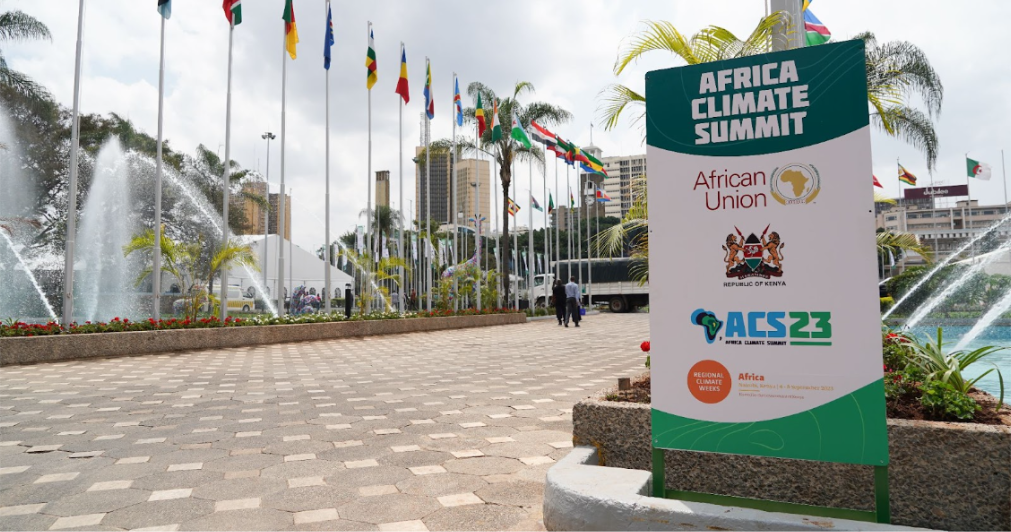
As the event looms on the horizon, we invite you to be an integral part of this pivotal dialogue — whether in Nairobi or virtually. Your insights, experiences, and aspirations will contribute meaningfully to the shared vision of a sustainable, transparent, and resilient future. Join us in shaping the climate narrative, not just for Africa, but for the world.
Seminar on ETF Readiness for African Nations
In the context of implementation of the Paris Agreement, the Enhanced Transparency Framework (ETF) emerges as a beacon for clear climate action and support. But transitioning to this enhanced system, especially for developing countries, presents challenges. With a view to identifying African nations' challenges and needs for successful implementation of ETF and formulate collaborative strategies to tackle these challenges, a group of partners, including AfDB, UNEP, , the Commonwealth secretariat are joining forces under the framework of the Africa NDC Hub with the support of the UNFCCC secretariat and its RCC WAC Africa to organize a seminar on 5 and 6 September. The seminar also aims to unpack the key provisions the ETF and their implications nationally.
This 2-day seminar, from 5 to 6 September at the Sarova Stanley Nairobi Hotel, brings together national coordinators from 33 African nations and key international partners. The seminar will inform future strategies of Africa NDC Hub partners, ensuring African countries are primed for ETF success.
Detailed Programme of Events for Africa ETF Dialogue
After the seminar, the Africa ETF Dialogue, organized by the UNFCCC secretariat and its RCC WAC Africa, ICAT, Africa NDC Hub and AfDB, will open on 7 September, as we embark on a two-day journey of discussions, panels, and informative sessions to promote the importance of transparency in driving ambitious climate action. The first day will feature a high-level policy dialogue with a number of ministers and senior officials from the region already confirmed, while the second day will see an exchange among practitioners on challenges and experience in setting up transparency frameworks, with contributions from across Africa, including from Botswana, Chad, Comoros, Congo, ECCAS, Equatorial Guinea, Eswatini, Ethiopia, Gambia, Ghana, Guinea, Ivory Coast, Kenya, Madagascar, Malawi, Mali, Mozambique, Namibia, Nigeria, Sao Tome and Principe, South Africa, Sudan, Uganda, Zambia, Zimbabwe. Click here to discover the full schedule!